Meet our stunning, large male — 9 months old and ready to bring joy, love, and endless personality into your home.
$2000 Limited AKC Registration, Puppy Contract and Health Guarantee
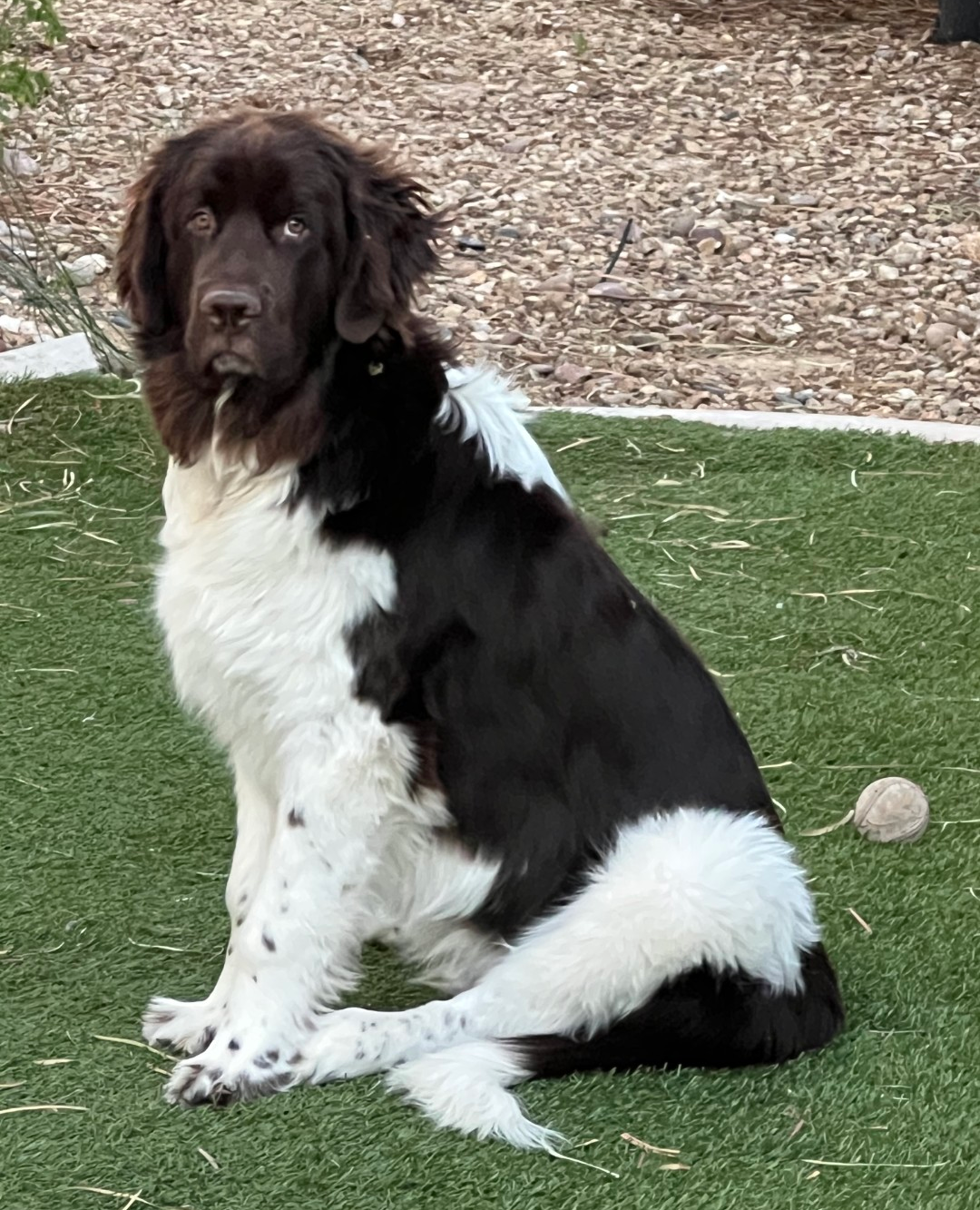
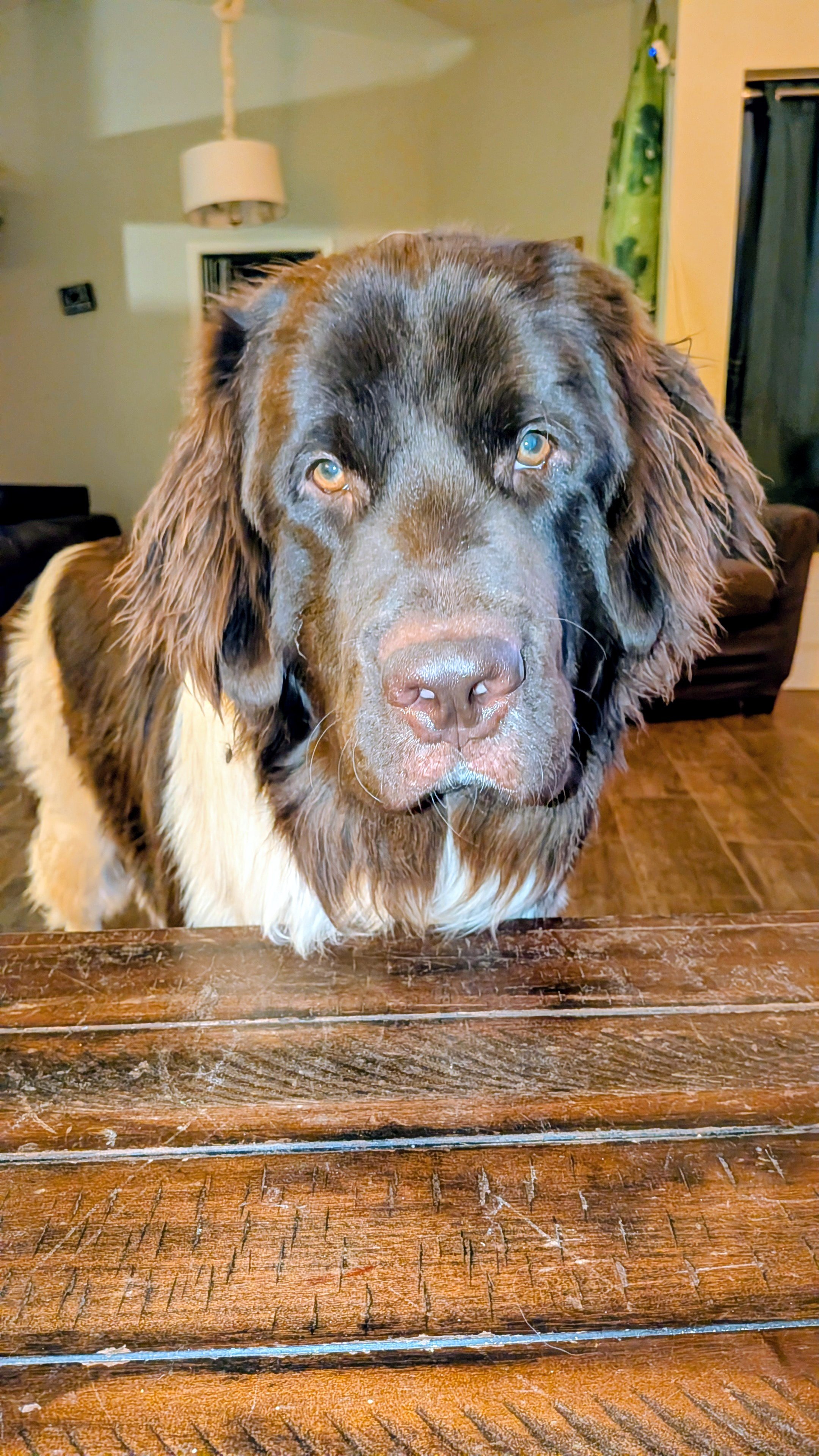
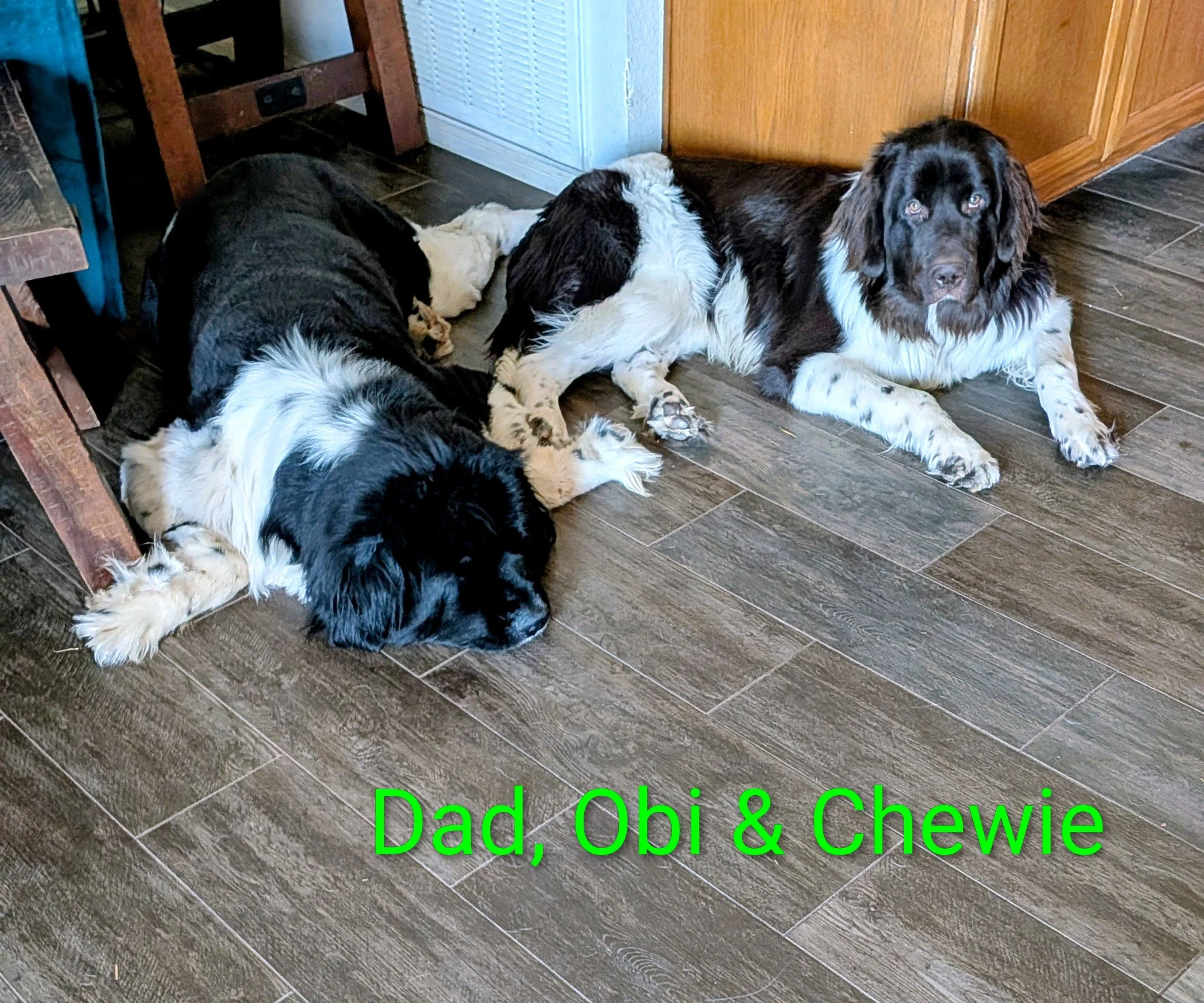
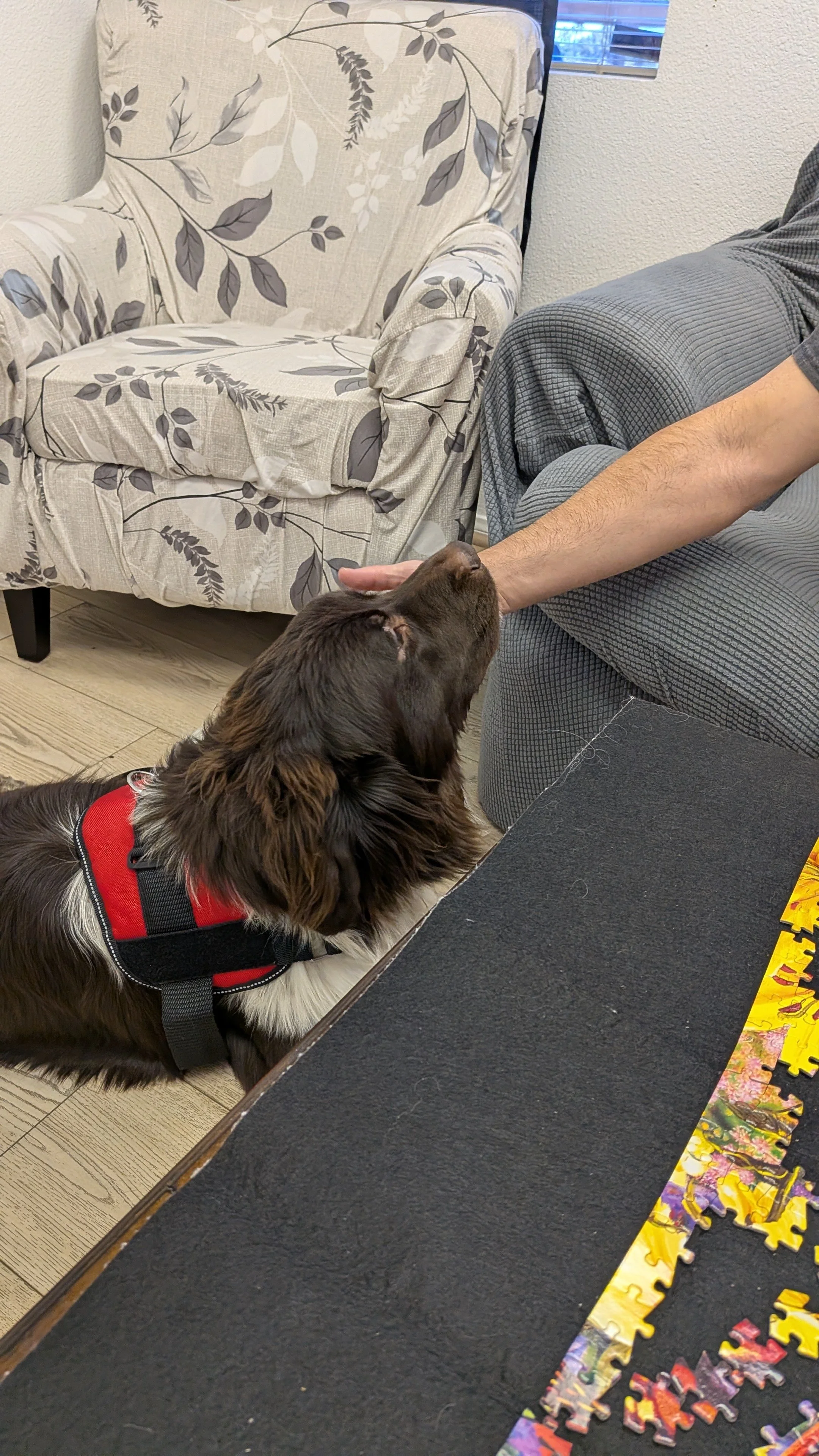
Chewie is brown and white and likes to cuddle on the couch. Chewie is a sweet boy who needs to find his forever home. He is smart. He knows stay and sit. He is house manners trained, completely potty trained, fully vaccinated, vet checked and cleared, and microchipped. He is a very calm boy unless he's playing, then he is very silly. Chew has provided counseling to my private practice clients. He does quite well. Chewie does struggle in the car not with practice he will be fine with car rides.
Nutrition and Feeding Philosophy
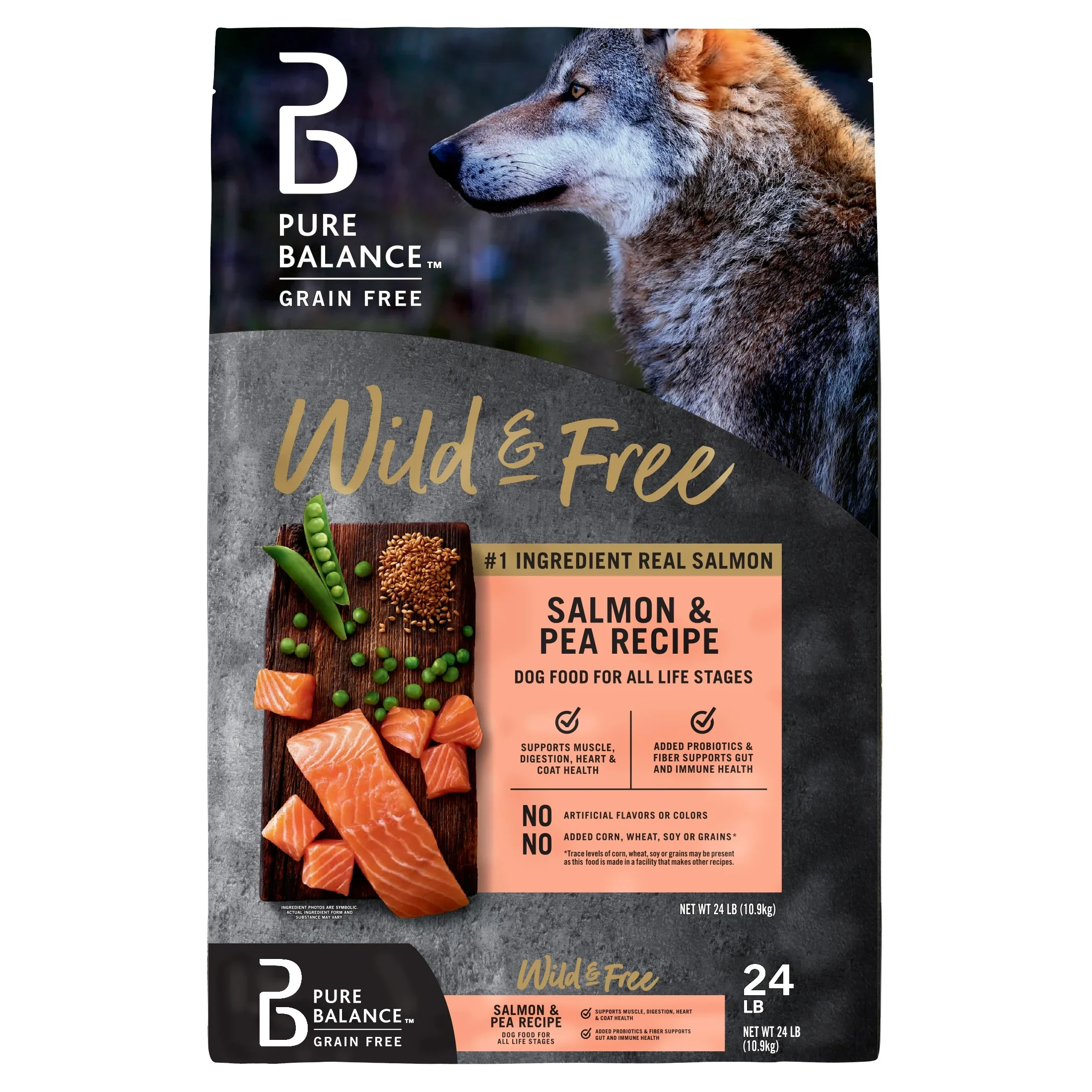
Our puppies are nourished with a carefully balanced blend of Pure Balance Wild & Free Grain-Free Salmon & Pea Recipe Dry Dog Food
Dry dog food for dogs of all life stages
Grain-free formula with no artificial colors or artificial flavors
No added corn, wheat, or soy*
Helps support muscle, digestion, heart, and coat health
Real salmon is the first ingredient. This combination provides optimal nutrition for growing puppies while supporting an easy transition to adult food as they mature. Pups have transitioned off of puppy food to allow for appropriate bone growth and to keep them at healthy weights during growth.
We practice a free-feeding approach, allowing puppies to eat alongside their parents and other adult dogs. This method helps prevent food competition, promotes calm eating behaviors, and supports natural regulation of hunger cues. For large-breed puppies, consistent access to food helps maintain stable blood sugar levels and prevents the tendency to overeat or “scarf” meals when food feels scarce.
Free-feeding also serves a deeper purpose—it fosters trust, independence, and emotional stability, qualities essential for future therapy and service dogs. By knowing that their needs are consistently met, our puppies develop confidence, self-regulation, and a sense of security—foundations that carry into their work and companionship as adults.
Hydration, Outdoor Play, and Early Potty Training
Our puppies always have access to an “all-you-can-drink” water bowl outdoors. This serves several important purposes: Newfoundlands naturally love water and often step right in during play, they are a naturally drooly breed, and having water available outside encourages them to relieve themselves outdoors before returning inside.
Providing access to water outside supports early potty training, as puppies naturally learn to associate being outdoors with meeting their elimination needs. It also allows them to engage in safe, playful exploration while staying properly hydrated. When dogs can comfortably eat or drink outside without interference from critters or birds, potty training becomes much easier and more consistent.
This approach aligns with our overall philosophy of fostering healthy, confident, and well-adjusted puppies—teaching independence, natural behaviors, and positive routines from the very beginning.
Early Socialization and Development
Our puppies are raised in a loving, structured home environment where socialization and emotional connection are part of daily life. From an early age, they are given supervised freedom to explore different areas of the home several times a day. This helps them learn house manners, navigate new environments confidently, and engage their natural curiosity in a safe and nurturing way.
Each puppy also enjoys individual cuddle time with me on the couch, which fosters one-on-one bonding, emotional connection, and trust—key traits for future therapy and service dogs. They are raised alongside their parents, who naturally model appropriate social and behavioral cues. Through this modeling, the puppies learn calmness, confidence, and respectful interaction.
Our puppies are also socialized with my young autistic grandson, helping them develop gentle play habits and early awareness of how to interact appropriately with children of all abilities. This consistent exposure teaches them to read human emotions, control their impulses, and develop the soft mouths that are so important for therapy and service work.
The dogs spend time in a large, indoor kennel area that encompasses the entire dining room and connects to a spacious dog door leading outdoors. Beginning at five weeks of age, the puppies start dog-door potty training, learning independence and self-regulation by following their parents’ example.
When I leave the home or return, I remain calm and consistent teaching the puppies that comings and goings are a normal part of daily life. This approach encourages emotional stability and prevents separation anxiety. Only after they are calmly released from their kennel do they receive gentle affection, cuddles, and reassurance.
This mindful routine helps our puppies grow into balanced, emotionally grounded dogs who are confident in their independence yet deeply attuned to human connection—an ideal foundation for their future as therapy and service companions. The pups are currently crate training.
Training
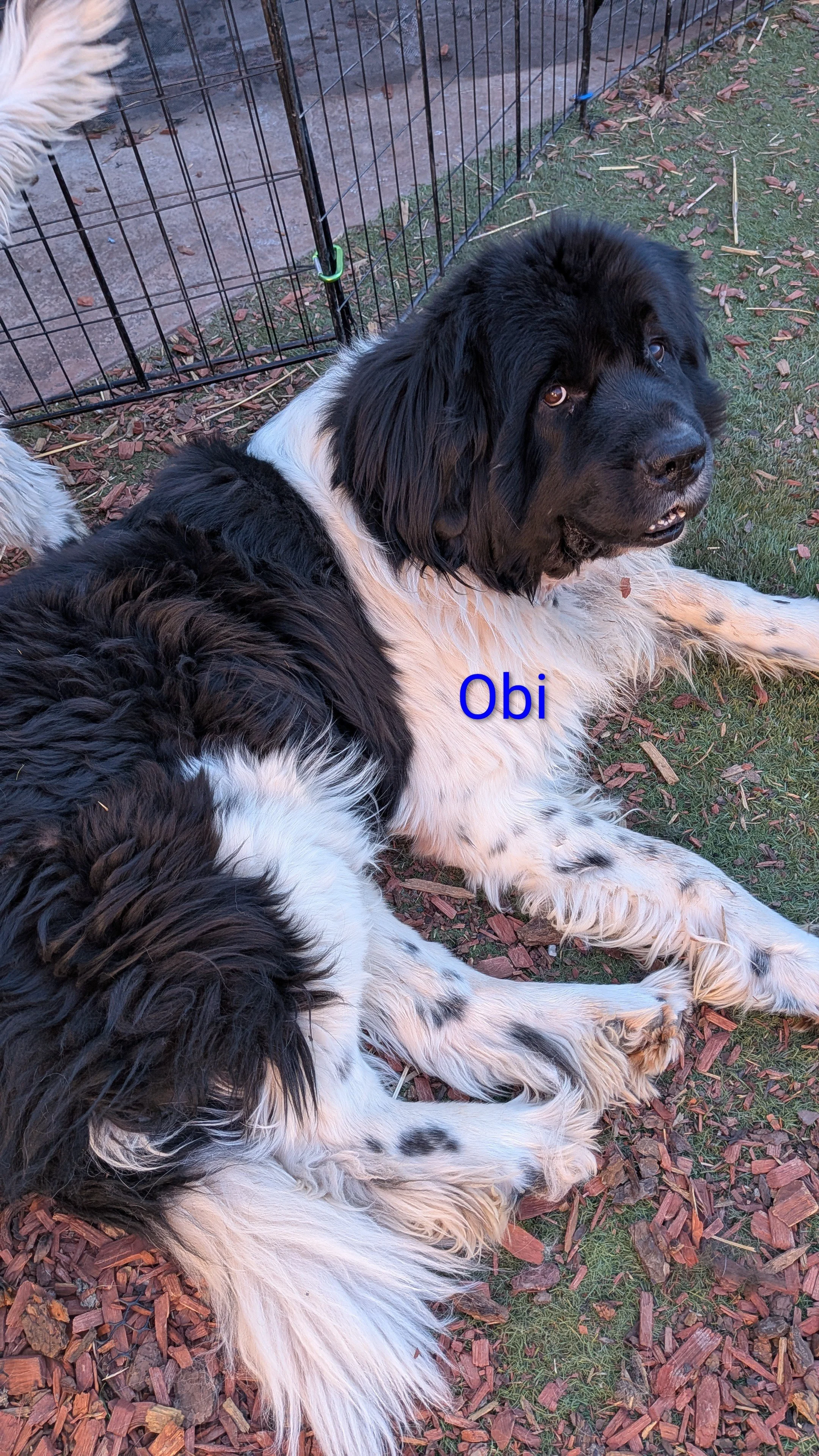
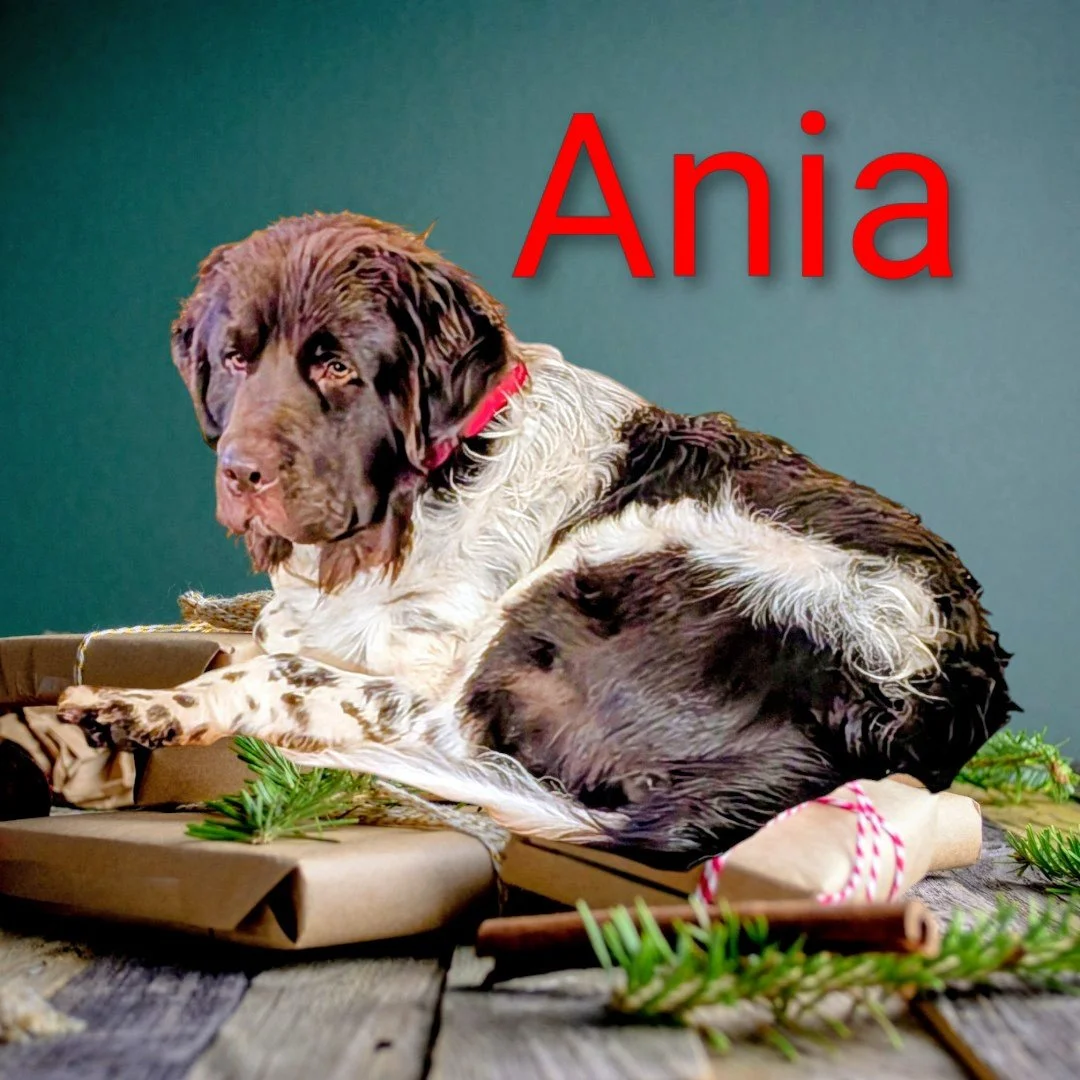
I recommend The Educator E-Collar for training once the puppy turns 6 months old. There is a call back feature that can be used at any time up to 3/4-mile distance depending on which collar you buy and the corrections levels can be adjusted from 0 - 100. I can also give you instruction of proper use for your dog when you arrive to pick up the puppy. I will create videos of training to help. I am always available to help with training. Believe me with how Smart Obi is, I have gone through extensive training with him to learn how to control his mischievous behaviors between his size, intelligence, and energy as a pup. We both went through a 12-week service dog training, and I repeated that with Ania because she has a lot of energy and had insecurity when she arrived to me at 1 year of age.